
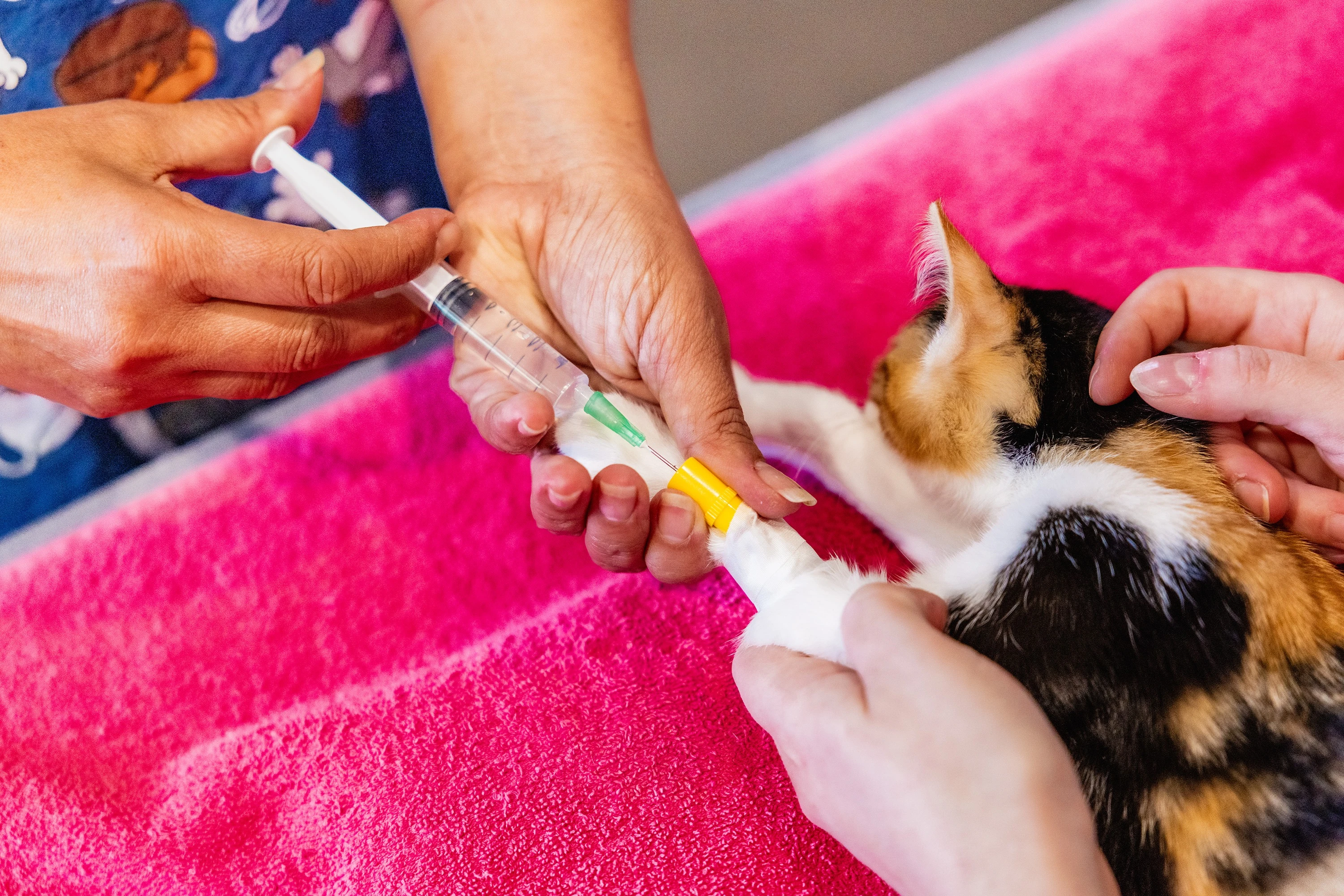
Vaccinations & Microchipping
A Dedicated Feline Only Vet in TownsvilleIt is recommended that ALL cats, both indoor and outdoor, are vaccinated with an F3 core vaccine to protect them against Feline Herpes Virus, Calcivirus and Feline Panleukoenia. As a standard, we recommend kittens are vaccinated with an F3 vaccine at 8 weeks old and 12 weeks old and 16 weeks old. – then ongoing with a single booster vaccination every 12 months.
Cat flu is a very common cat disease, and several pathogens can be involved. Vaccination of cats will decrease the severity of symptoms, but cats can still get symptoms if exposed to the agents (a bit like the human flu). Some cats may develop sneezing or weepy eyes simply when stressed. This is because one of the agents of cat flu is a herpes virus (similar to a human cold-sore virus). It can never be completely cleared and will "break out" during periods of stress or other disease.
Most Townsville boarding catteries will require a recent vaccine against cat flu before your cat can enter the facility.
Indoor-Only Cats
Cats and kittens which stay indoors are much less likely to be exposed to agents such as FIV (cat AIDS) and feline leukaemia virus. As stated, we recommend they are vaccinated with an F3 vaccine at 8 weeks old and 12 weeks old and 16 weeks old. – then ongoing with a single booster vaccination every 12 months.
Outdoor Cats
As stated, we recommend cat and kittens are vaccinated with an F3 vaccine at 8 weeks old and 12 weeks old and 16 weeks old. – then ongoing with a single booster vaccination every 12 months.
Consider vaccinating for FIV (Feline Immunodeficiency Virus). This virus affects cats that go outside and have close contact with other cats. FIV is a common virus amongst our locally community due to the increased stray population in our city.
What is Feline Immunodeficiency Virus (FIV)?
FIV is a common infectious disease of outdoor cats in Townsville. It is the cat equivalent to HIV (humans cannot catch this disease).
FIV leads to an increased risk of infection and cancer but does not necessarily shorten a cat's lifespan if the cat is kept indoors-only and well cared for.
A cat vaccine is available and recommended to try to prevent cats catching this disease. It is recommended for high risk cats (cats that roam outside, fight and get abscesses).
Microchipping
A microchip is a permanent form of digital identification for your pet. It is a very small device—about the size of a grain of rice—placed just under the skin at the back of your pet’s neck, between the shoulder blades.
Each microchip carries a unique identification number that can be read using a special scanner. This number links to a secure database containing your pet’s and your contact details. Vets, animal shelters, rescue organisations, and some local councils can scan a lost animal and use this information to help reunite them with their owner.
It is essential to keep your contact details up to date in the microchip registry. If you move house or change phone numbers, ensuring your information is current means you can still be contacted quickly if your pet becomes lost or goes missing.
If a pet is rehomed, the new owner is responsible for updating the microchip details with their own information. Keeping records up to date for every microchipped pet helps ensure a safe and speedy return home if they ever stray.
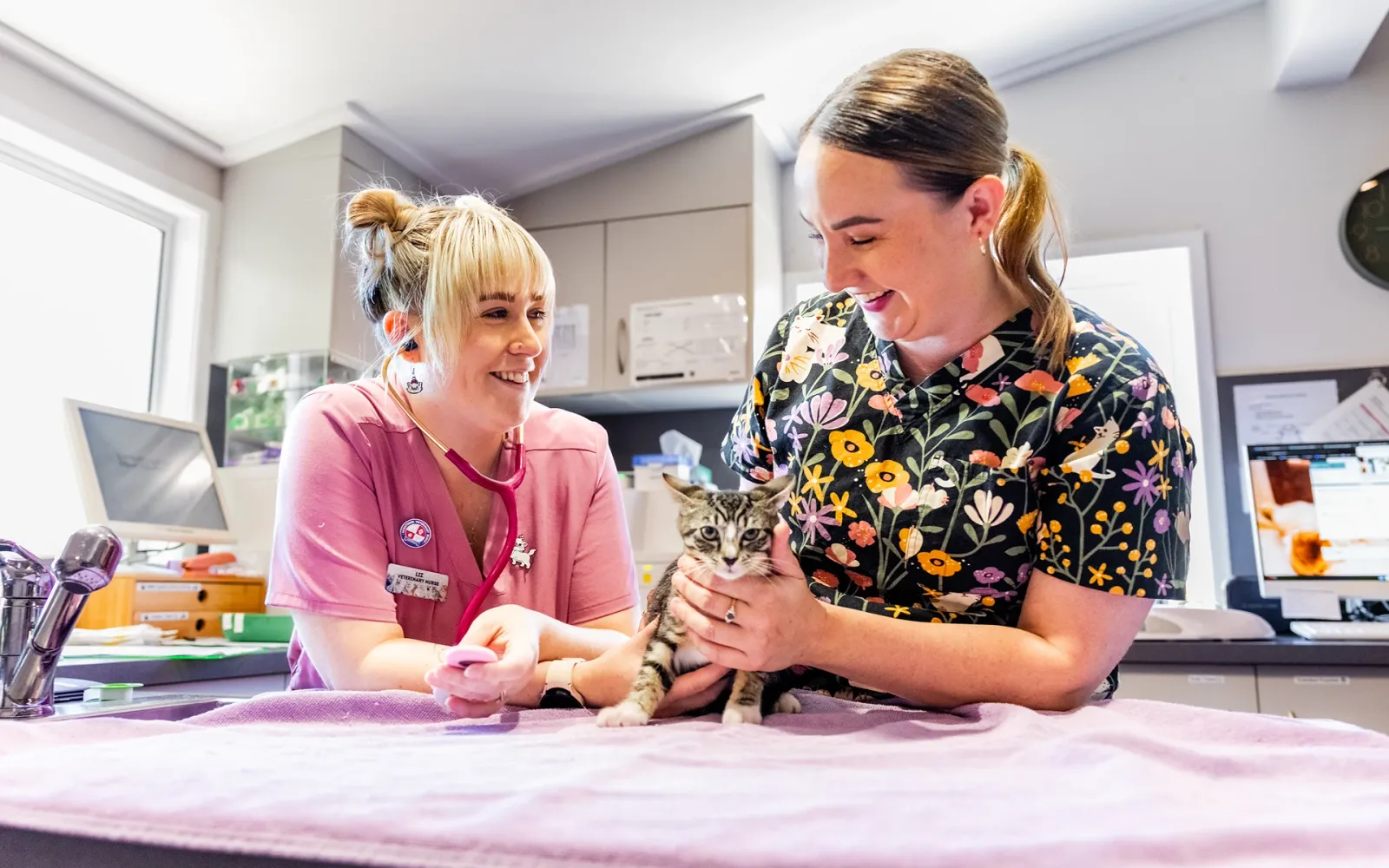
Get your cat vaccinated to help with their health
Providing Vaccination to Your Felines in Townsville and North Queensland.

Townsville City QLD 4810 07 4772 2500 [email protected]
Mon-Thu 8:00am-6:00pm
Friday 8:00am-5:00pm
Saturday 9:00am-1:00pm
Sunday Closed